








The Engineering Essentials of a High-Performance Stainless Steel Gear Pump
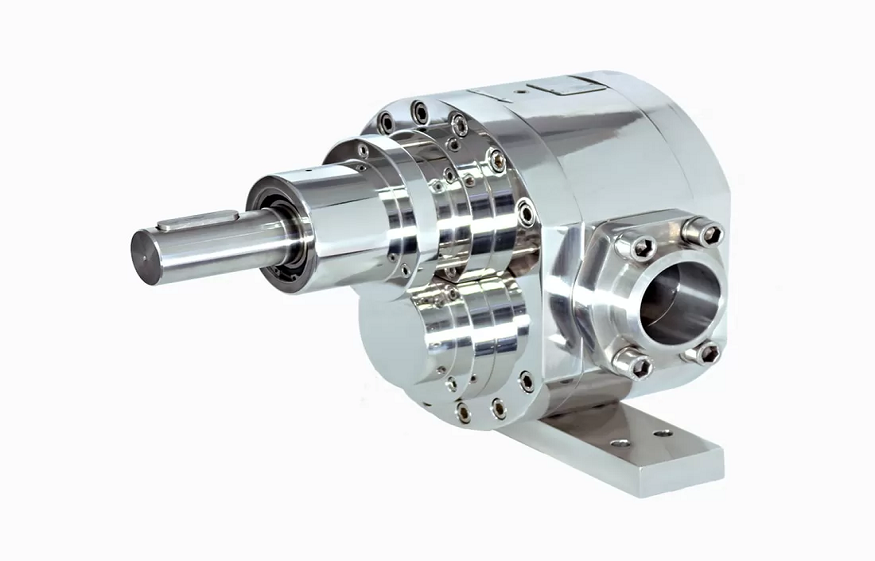
In industrial fluid management, the reliability of a transfer system often hinges on the integrity of its core components. When handling corrosive, high-temperature, or sanitary-grade liquids, engineers and plant managers frequently turn to a stainless steel gear pump to ensure consistent flow control. These systems are the backbone of chemical processing, food production, and pharmaceutical manufacturing, where the combination of material durability and precise volumetric output is non-negotiable.
Selecting the right equipment requires more than just picking a model from a catalog; it demands an understanding of how metallurgy, precision engineering, and internal tolerances converge to create a reliable system. Whether you are integrating a new unit into an automated production line or sourcing a replacement, finding a reputable gear pump manufacturer that prioritizes precision over mass production is critical to long-term operational success.
Metallurgy and the Role of Stainless Steel in Fluid Handling
The primary reason for selecting stainless steel over cast iron or ductile iron is its superior resistance to chemical attack and oxidation. In many industrial environments, the fluid being transported—whether it is a viscous polymer, a harsh solvent, or a consumable food product—can accelerate the degradation of standard materials.
Read More: About Affordable 1BHK Flats for Rent in Congo
Stainless steel, particularly the 316-grade variants frequently used in high-end assemblies, provides a non-reactive surface. This is vital in applications where product purity must be maintained or where the pump is exposed to aggressive cleaning-in-place (CIP) chemicals. By utilizing a high-grade stainless steel gear pump, facilities can effectively mitigate the risks of corrosion, which otherwise leads to surface pitting, seal failure, and eventually, expensive contamination of the process stream.
The Precision of Internal Gear Geometry
At the heart of the pump’s performance is the gear set. Unlike centrifugal pumps that rely on velocity to move fluids, a gear pump utilizes the meshing of internal or external gears to create moving cavities. This design allows for a remarkably constant flow rate, regardless of discharge pressure variations, making it the preferred choice for metering and dosing applications.
When sourcing from a high-quality gear pump manufacturer, you should look for evidence of precise gear tooth profiling. Even a microscopic deviation in the gear teeth can lead to turbulent flow, increased vibration, and accelerated wear on the bushings and shafts. Modern manufacturing processes, such as CNC wire EDM (Electrical Discharge Machining), allow for the creation of gears with tolerances measured in microns. This level of precision is what differentiates a standard fluid transfer pump from a high-performance metering unit capable of maintaining consistent output over thousands of hours of operation.
Optimizing for Viscosity and Temperature
One of the most common mistakes in system design is failing to account for the interplay between fluid viscosity and pump speed. As a liquid’s viscosity increases, the internal friction within the pump rises, requiring higher torque and lower rotational speeds. A stainless steel gear pump is uniquely suited for these conditions because it can handle significant shear stress without deformation.
However, the pump must be configured correctly for the specific thermal environment. In processes involving high-temperature heat-transfer fluids or molten resins, the thermal expansion of the gears and the casing must be calculated accurately. A top-tier gear pump manufacturer will provide detailed data regarding clearances and recommended seals—typically mechanical seals or packing arrangements—that can withstand the heat without leaking. Neglecting these thermal parameters often leads to the most common failure point: the seizing of the internal assembly due to thermal expansion.
Critical Considerations for Maintenance and Longevity
The durability of your fluid transfer system depends heavily on a structured maintenance regimen. Even the most robust stainless steel gear pump is susceptible to damage if the suction side is restricted or if the pump is operated dry. Cavitation, which occurs when vapor bubbles form in the suction line due to pressure drops, is a major enemy of gear longevity. These bubbles collapse with enough force to erode the metal surfaces of the gears, creating a feedback loop that eventually destroys the pump’s volumetric efficiency.
To maximize the life of your equipment, consider these operational best practices:
- Suction Strainers: Always employ an appropriately sized strainer to prevent abrasive particulates from entering the gear housing.
- Alignment: Ensure that the pump and motor shafts are perfectly aligned; even a slight misalignment induces lateral force on the pump bearings, leading to premature shaft seal failure.
- Monitoring: Use vibration analysis or thermal imaging to monitor the pump’s health. A sudden change in operating temperature or noise level is often the first indicator of a mechanical issue that can be fixed with a simple bushing replacement before it cascades into a total system failure.
Partnering with a Reliable Gear Pump Manufacturer
When your process involves high-value fluids or critical-path production steps, the relationship with your equipment supplier is just as important as the hardware itself. A professional gear pump manufacturer should offer more than just a box on a shelf; they should act as a consultant for your specific application.
Look for partners who offer:
- Application Engineering: The ability to perform fluid analysis and suggest the correct clearance levels for your specific viscosity range.
- Customization: Not every application fits a standard blueprint. The ability to modify ports, mountings, or material finishes can significantly streamline the installation process.
- Documentation and Certification: In industries like pharmaceuticals or food processing, access to material traceability (such as MTRs for the stainless steel used) is a standard requirement.
- Legacy Support: Ensure that the manufacturer maintains a robust inventory of spare parts, such as replacement gears, seals, and bushings, for the specific model you purchase.
The Bottom Line on System Efficiency
Choosing to install a stainless steel gear pump is an investment in stability. While the initial capital expenditure may be higher than alternative pumping technologies, the long-term cost of ownership is significantly lower due to reduced downtime, lower maintenance requirements, and higher precision in output.
Read More: 7 BEAUTIFUL BUDDHA PAINTINGS TO LIGHTEN UP YOUR LIVING ROOM
The goal of any well-engineered fluid system is to function transparently—providing consistent, reliable flow without requiring constant human intervention. By partnering with a qualified gear pump manufacturer and adhering to a strict maintenance protocol, you ensure that your pumping infrastructure supports your production goals rather than acting as a recurring bottleneck. In the demanding world of industrial processing, the reliability of your equipment is the foundation upon which your operational efficiency is built.